Staying informed is no longer optional when global events shift fast and impact your daily life, from economic changes to geopolitical tensions. If you want a broader stream of international coverage and timely updates, you can explore curated reports and insights on https://planetapantanal.com/ where major stories are presented in a clear and accessible way.
Geopolitical tensions and shifting power dynamics
Global politics is entering a period of recalibration. Alliances are changing, conflicts remain unresolved, and new power centers are emerging.
One of the most closely watched developments is the ongoing tension between major world powers. The relationship between the United States and China continues to influence trade, technology, and regional stability. Disputes over semiconductor supply chains, artificial intelligence leadership, and military presence in the Indo-Pacific are shaping long term strategies on both sides.
At the same time, the war in Ukraine remains a defining issue in Europe. The conflict has not only redrawn security priorities but also forced countries to rethink energy dependence. European nations have accelerated efforts to diversify energy sources, reducing reliance on traditional suppliers while investing in renewables.
In the Middle East, shifting diplomatic ties are also worth noting. Some countries are strengthening cooperation through economic agreements and infrastructure projects. Others remain locked in longstanding rivalries that continue to affect regional stability.
You can see a clear pattern across these regions:
- Strategic competition is replacing cooperation in key sectors
- Military spending is rising in response to perceived threats
- Diplomatic negotiations are becoming more complex and fragmented
These changes are not isolated. They influence global markets, supply chains, and even the cost of living in different parts of the world.
Economic uncertainty and global market transitions
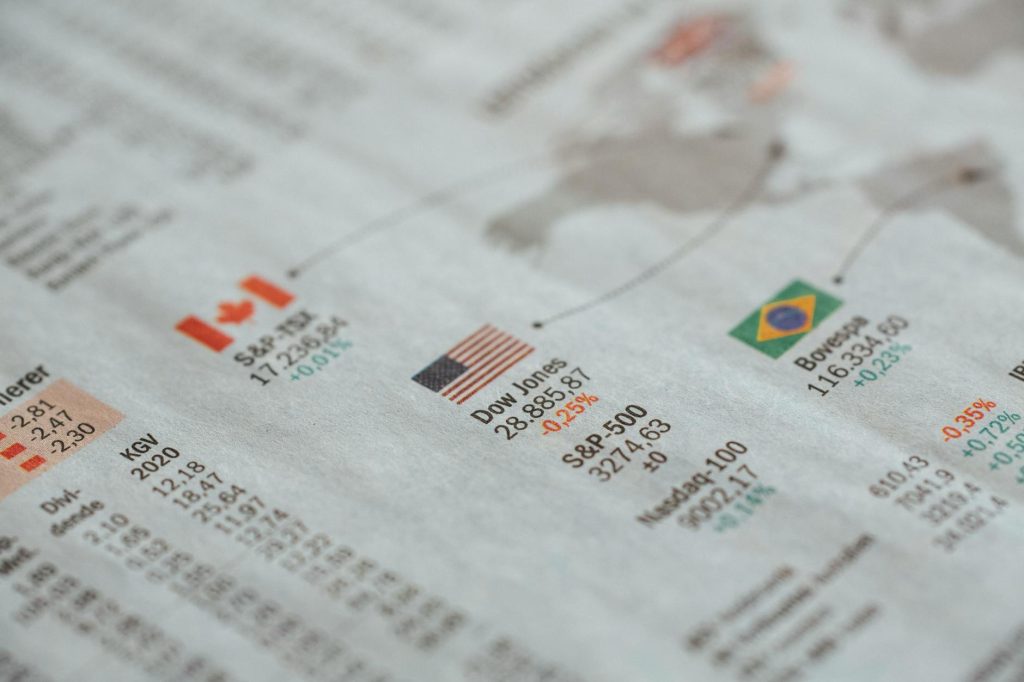
The global economy is facing a mix of recovery and risk. Inflation, interest rates, and supply chain disruptions are still central concerns.
Central banks across major economies have taken different approaches to control inflation. Some have raised interest rates aggressively, aiming to slow down spending. Others are taking a more cautious path to avoid triggering recession.
You may notice the impact directly:
- Higher borrowing costs for businesses and individuals
- Fluctuations in currency values
- Increased prices for essential goods
Another major factor is the transformation of global supply chains. After years of disruption, companies are rethinking how and where they produce goods. There is a growing trend toward regionalization, where production moves closer to key markets.
Technology is also reshaping the economy. Artificial intelligence, automation, and digital platforms are changing how industries operate. While this creates opportunities, it also raises concerns about job displacement and regulation.
Energy markets remain volatile. The transition toward renewable energy is accelerating, but fossil fuels still play a significant role. This creates tension between sustainability goals and immediate economic needs.
Key economic trends you should watch:
- Continued investment in green energy projects
- Expansion of digital economies and remote work systems
- Shifts in global trade routes and partnerships
Understanding these trends helps you make better decisions, whether you are managing finances, running a business, or simply planning for the future.
Climate change, technology, and social transformation
Beyond politics and economics, global news is increasingly shaped by environmental and technological factors.
Climate change is no longer a distant issue. Extreme weather events are becoming more frequent and more severe. Floods, heatwaves, and wildfires are affecting millions of people each year.
Governments and organizations are responding with new policies and initiatives:
- Investments in renewable energy infrastructure
- Regulations to reduce carbon emissions
- International agreements focused on sustainability targets
However, progress is uneven. Some regions move quickly, while others struggle due to economic or political constraints.
Technology is another major driver of change. Artificial intelligence is advancing rapidly, influencing everything from healthcare to media. You are likely already interacting with AI in everyday life, whether through recommendation systems, chatbots, or automation tools.
This rapid development raises important questions:
- How should AI be regulated
- What happens to jobs that become automated
- How can data privacy be protected
At the same time, social changes are reshaping societies worldwide. Migration patterns are evolving due to economic opportunities and environmental pressures. Urbanization continues, with more people moving to cities in search of better living conditions.
Public awareness and activism are also increasing. People are more connected than ever, and information spreads instantly. This can drive positive change but also creates challenges related to misinformation.
Here are a few social trends that stand out:
- Growing demand for transparency and accountability
- Increased focus on mental health and well being
- Greater emphasis on diversity and inclusion
These shifts are interconnected. Climate issues influence migration. Technology affects employment. Social movements shape political decisions.
Conclusion
Global news today is complex but highly relevant to your everyday life. From geopolitical tensions to economic shifts and environmental challenges, each development plays a role in shaping the future. When you stay informed and understand these trends, you are better prepared to adapt, make decisions, and see the bigger picture behind the headlines.
Related Reading
- Why America’s local newspapers are raising urgent concerns
- Top international stories making headlines this week
- Inside the Dramatic Rescue That Saved Thailand’s Trapped Soccer Team
About the Author