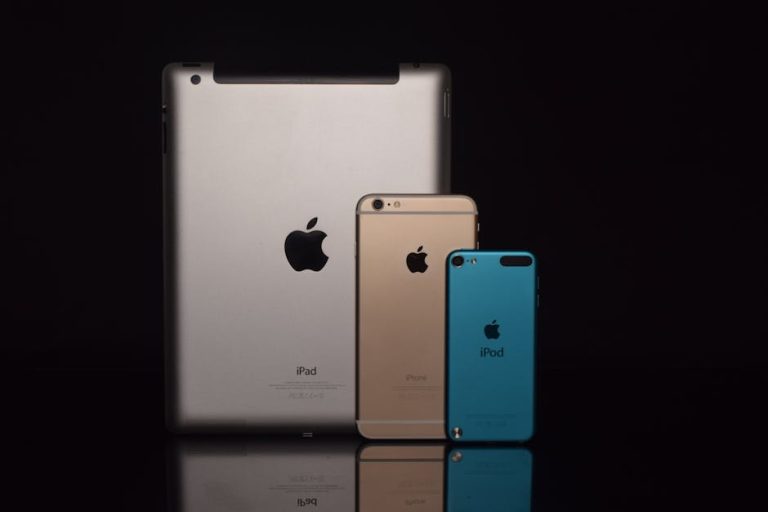
Technology in 2026 is moving faster than ever, reshaping how you work, communicate, and interact with the world. From artificial intelligence to decentralized systems, the landscape is evolving daily. If you want to stay updated with global insights and digital transformation stories, you can explore more on https://planetapantanal.com/ where innovation meets real-world impact.
Artificial intelligence becomes deeply integrated into everyday life
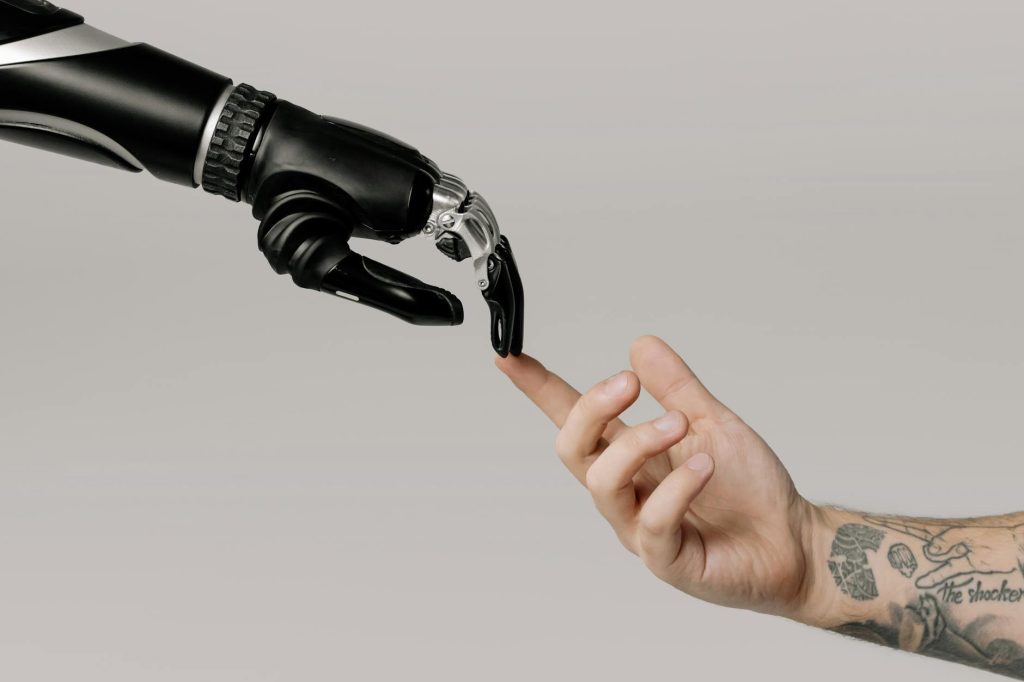
Artificial intelligence is no longer a future concept. It is already embedded in daily routines, business operations, and decision-making systems.
In 2026, AI is shifting from being a tool to becoming a collaborator. You can see this in how companies automate workflows, generate content, and predict outcomes with high accuracy.
AI copilots redefine productivity
AI-powered assistants are now part of almost every digital platform. These systems help you write emails, analyze data, code software, and even plan business strategies.
Instead of replacing humans, AI copilots are enhancing output. A marketing team can produce campaigns faster. Developers can debug code in minutes. Customer support can handle complex queries without delays.
Personalization reaches a new level
AI is also transforming how services adapt to your behavior. Streaming platforms, e-commerce websites, and financial apps are now predicting what you need before you search.
This level of personalization is driven by large datasets and real-time processing. Businesses that use AI effectively are seeing higher engagement and retention rates.
Ethical challenges and regulation
With rapid adoption comes concern. Governments are introducing stricter policies around data usage, transparency, and accountability.
You will see more discussions about AI bias, data privacy, and responsible deployment. These issues are shaping how technology companies build and release new products.
The expansion of immersive technologies and digital environments

Virtual reality, augmented reality, and mixed reality are becoming more accessible. These technologies are no longer limited to gaming.
In 2026, immersive tech is being used in education, healthcare, retail, and remote work.
Virtual workspaces replace traditional offices
Companies are investing in virtual environments where teams can collaborate in real time. Instead of video calls, employees meet in 3D spaces.
This creates a more engaging experience. You can interact with digital objects, present ideas visually, and feel a sense of presence even when working remotely.
AR transforms consumer experiences
Augmented reality is changing how you shop and interact with products.
You can try on clothes virtually. You can place furniture in your home using your phone. Retailers are using AR to reduce returns and improve customer satisfaction.
Training and simulation become more effective
Industries like healthcare and aviation are using immersive tech for training.
Doctors can practice surgeries in virtual environments. Pilots can simulate complex scenarios without risk.
This improves learning outcomes and reduces costs.
Decentralization, green tech, and the future of digital infrastructure
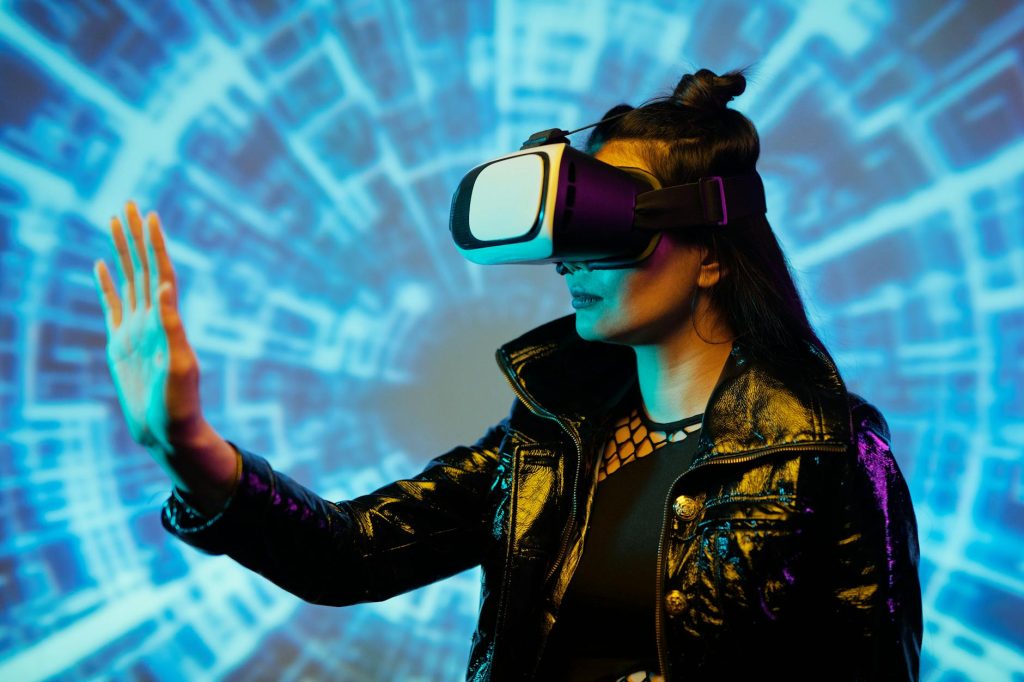
Beyond AI and immersive tech, other trends are shaping the foundation of the digital world.
Decentralization, sustainability, and infrastructure upgrades are becoming key priorities.
Blockchain expands beyond cryptocurrency
Blockchain is now being used in supply chains, identity verification, and digital contracts.
You can track products from origin to delivery. You can verify identities securely without relying on centralized systems.
This increases transparency and reduces fraud.
Green technology drives innovation
Sustainability is no longer optional. Companies are investing in energy-efficient systems and renewable solutions.
Data centers are being optimized to reduce power consumption. Electric vehicles and smart grids are becoming more common.
You will see more tech products designed with environmental impact in mind.
5G and beyond enable faster connectivity
Connectivity is improving with the expansion of 5G and early research into 6G.
Faster networks allow real-time data processing, which supports AI, IoT, and smart cities.
This means better performance for everything from mobile apps to autonomous vehicles.
Cybersecurity becomes a top priority
As systems become more connected, security risks increase.
Businesses are investing heavily in cybersecurity solutions. You will see more advanced threat detection, encryption methods, and zero-trust architectures.
Protecting data is now as important as creating it.
The human side of technological progress
Technology is not just about systems and devices. It is about how people adapt and use these tools.
Skills are evolving rapidly
You need to keep learning. Digital skills are becoming essential in almost every industry.
Understanding AI, data analysis, and cybersecurity can give you a strong advantage.
Work culture continues to shift
Remote work, flexible schedules, and digital collaboration are now standard.
Companies are focusing more on outcomes than hours. This changes how you manage time and productivity.
The balance between innovation and responsibility
While technology brings opportunities, it also creates challenges.
You need to think about privacy, ethics, and long-term impact. Responsible innovation is becoming a key focus for businesses and governments.
Conclusion
The technology trends shaping 2026 are not isolated developments. They are interconnected forces driving a new digital era. From AI integration to immersive experiences and sustainable innovation, these changes are redefining how you live and work. Staying informed and adaptable is the key to keeping up with this rapidly evolving landscape.
Related Reading
- Google Faces Historic EU Penalty Over Shopping Dominance Case
- How AI Is Quietly Transforming Daily Life Around You
- Emerging Gadgets and Breakthrough Innovations Shaping Everyday Life
About the Author