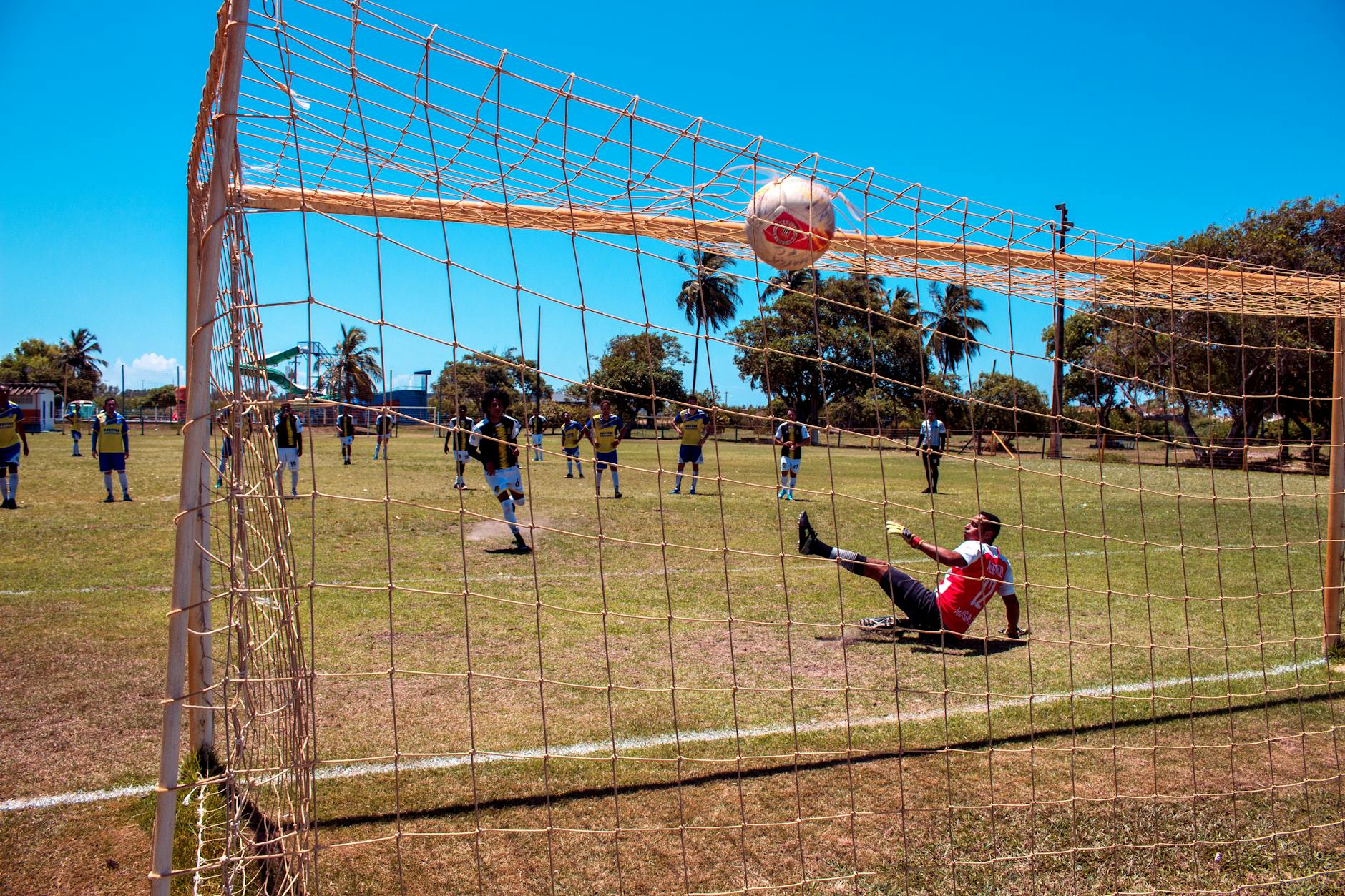
Penalty shootouts remain one of the most dramatic moments in football, where skill, psychology, and pressure collide in a matter of seconds. Whether you follow major tournaments or casual matches, understanding how shootouts work adds a deeper layer to the game. For more football insights and match breakdowns, you can explore detailed content at https://planetapantanal.com/ where analysis meets real match experience.
How penalty shootouts work and why they exist
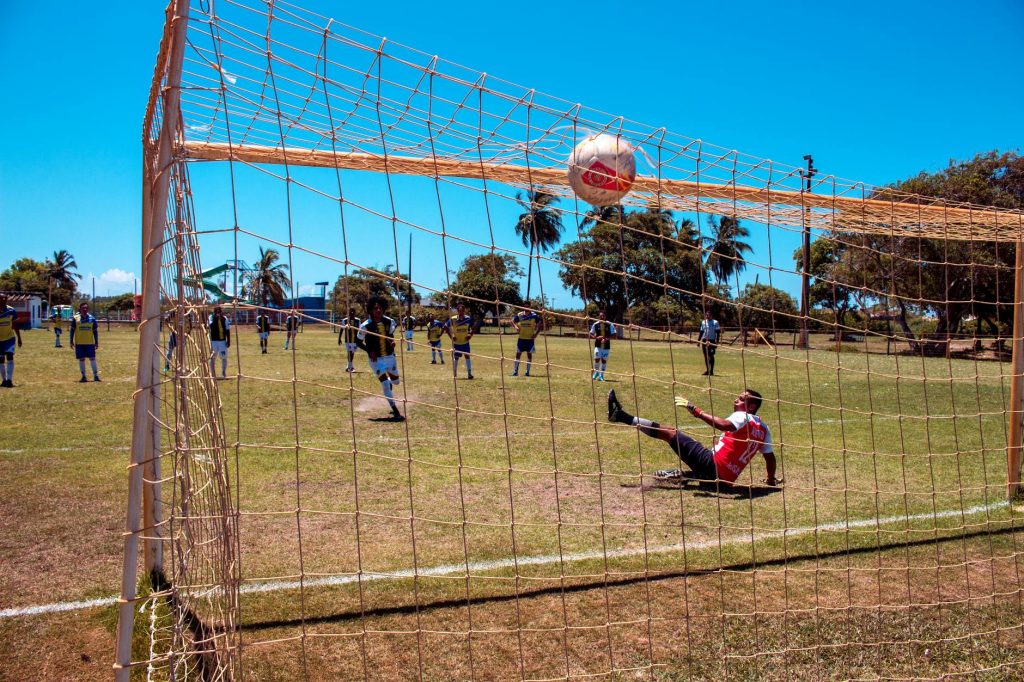
Penalty shootouts are used to decide matches that cannot end in a draw. This typically happens in knockout competitions such as the World Cup, Champions League, or domestic cup finals.
The basic structure is simple. Each team takes turns shooting from the penalty spot. The goal is to score more goals than the opponent within a limited number of attempts.
A standard shootout format includes:
- Five kicks per team
- Alternating turns between teams
- Sudden death if scores are level after five rounds
The rules are set by FIFA, which ensures consistency across international competitions.
Each penalty is taken from 12 yards away. Only the kicker and goalkeeper are directly involved. All other players must remain outside the penalty area until the shot is taken.
Why shootouts were introduced
Before penalty shootouts existed, matches were often decided by replay games or even coin tosses. This created scheduling issues and raised fairness concerns.
Penalty shootouts were introduced in the 1970s as a more practical and competitive solution. They quickly became a defining feature of football tournaments.
Today, they are seen as both thrilling and controversial. Some believe they test individual skill under pressure. Others argue they reduce a team sport to a moment of chance.
Key rules you should know
To fully understand shootouts, you need to know a few important details:
- The referee decides which goal will be used
- A coin toss determines which team shoots first
- Players can only shoot once before all teammates take a turn
- Goalkeepers must stay on the line until the ball is struck
Even small rule violations can lead to retakes or disallowed goals. This makes precision critical.
The psychology behind penalty shootouts
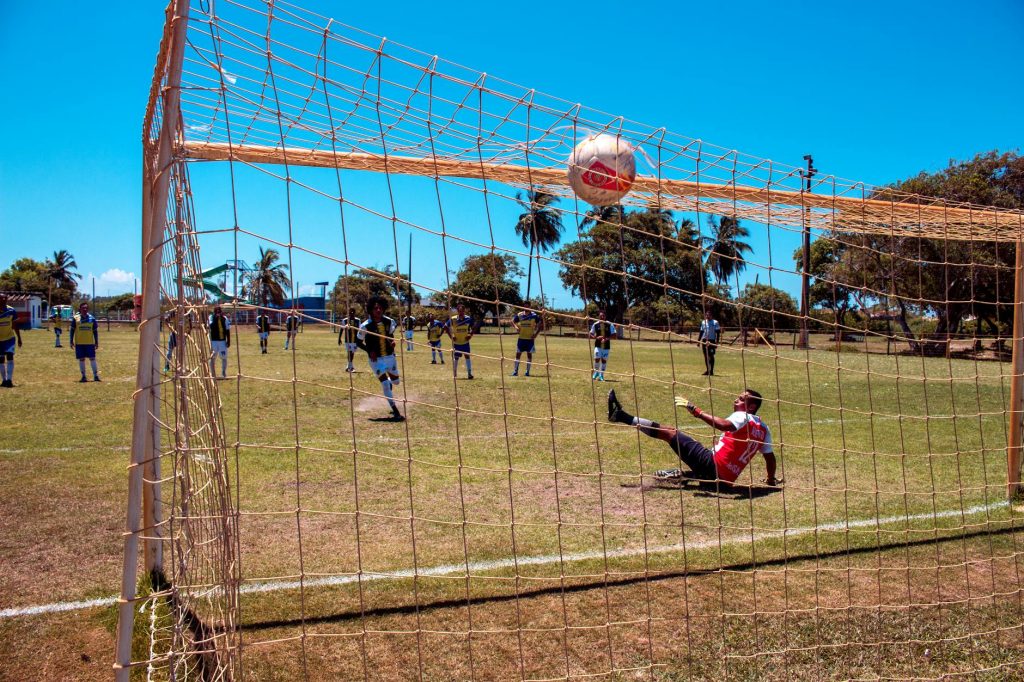
Penalty shootouts are not just about technique. They are heavily influenced by mental strength.
Players often describe the experience as one of the most stressful moments in their careers. The entire match can depend on a single kick.
Pressure on the penalty taker
When you step up to take a penalty, the situation is clear. If you score, your team gains an advantage. If you miss, the consequences are immediate.
Several factors affect performance:
- Crowd noise and atmosphere
- Importance of the match
- Previous success or failure
- Goalkeeper behavior
Studies have shown that players who hesitate or change their run-up are more likely to miss. Confidence and decisiveness play a huge role.
The role of the goalkeeper
Goalkeepers face a different kind of pressure. They are expected to react quickly and anticipate the direction of the shot.
Some goalkeepers study opponents before matches. They analyze patterns and tendencies to improve their chances.
Famous goalkeepers like Manuel Neuer and Emiliano Martínez are known for their psychological tactics.
These include:
- Delaying the kick
- Making eye contact
- Using body language to distract the shooter
Even small actions can influence the outcome.
Why order matters in shootouts
The sequence of penalty takers can impact results.
Teams usually choose:
- Experienced players first
- Confident strikers for key moments
- Reliable finishers for sudden death
Statistics suggest that teams taking the first penalty have a slight advantage. This is because they can apply pressure immediately.
However, success still depends on execution.
Iconic penalty shootouts that shaped football history
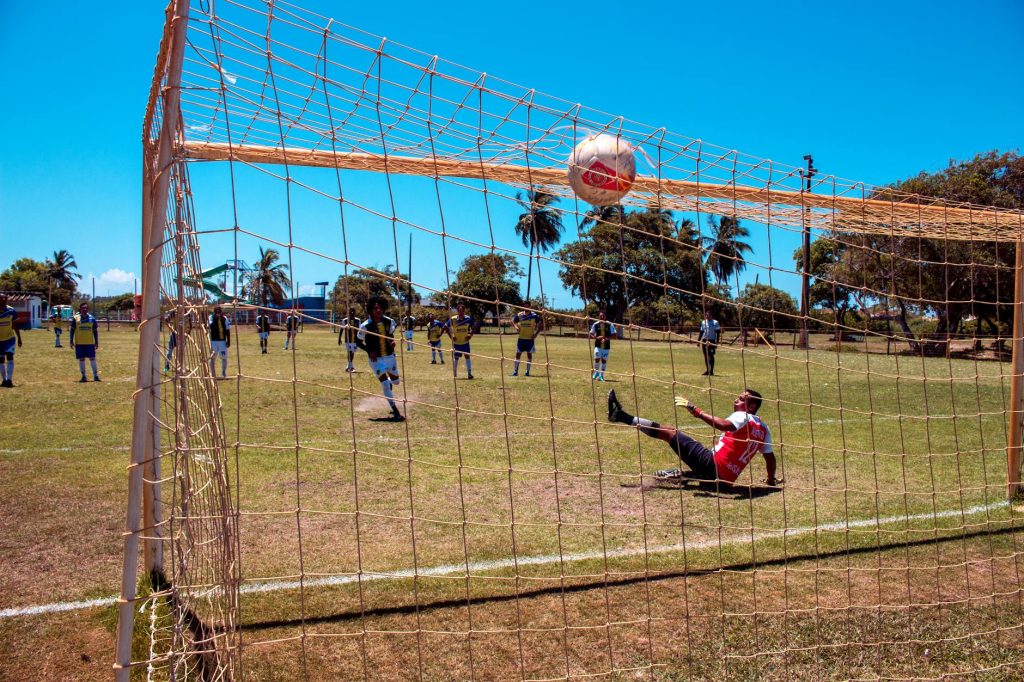
Some penalty shootouts have become legendary. They are remembered not just for the result, but for the drama and emotion.
World Cup moments that defined generations
One of the most famous examples is the 1994 FIFA World Cup Final between Brazil and Italy.
The match ended in a goalless draw. The outcome was decided by penalties.
The defining moment came when Roberto Baggio missed the final kick, handing victory to Brazil.
This moment is still discussed today. It shows how even the best players can struggle under pressure.
Another unforgettable shootout occurred in the 2006 FIFA World Cup Final.
Italy defeated France after a tense penalty sequence. The match is also remembered for Zinedine Zidane and his dramatic exit.
Champions League drama
Club football has also produced iconic shootouts.
The 2008 UEFA Champions League Final between Manchester United and Chelsea is a prime example.
After a 1-1 draw, the match went to penalties. Cristiano Ronaldo missed his attempt, but Chelsea failed to capitalize.
John Terry slipped during his decisive kick, missing the chance to win the title.
Moments like these highlight how unpredictable shootouts can be.
What makes a shootout unforgettable
There are a few elements that turn a shootout into history:
- High stakes, such as finals
- Star players involved
- Unexpected outcomes
- Emotional reactions
Fans remember these moments for years. They become part of football culture.
Techniques and strategies used by top players
While penalties may look simple, they require precision and preparation.
Common shooting techniques
Players use different methods depending on their style:
- Power shots aimed at corners
- Placement shots focused on accuracy
- Panenka, a chipped shot down the center
Each technique has advantages and risks.
For example, power shots are harder to save but easier to miss. Placement shots are more controlled but predictable.
The Panenka requires confidence. If it fails, it can look embarrassing.
Training and preparation
Professional teams spend time practicing penalties.
Training includes:
- Repetition under pressure
- Simulated match conditions
- Goalkeeper analysis
Players develop routines to stay consistent.
These routines might include:
- Specific run-up patterns
- Breathing techniques
- Visual focus points
Consistency helps reduce nerves.
Data and analytics in modern football
Today, data plays a big role in penalty strategies.
Teams analyze:
- Player shooting tendencies
- Goalkeeper dive patterns
- Success rates by direction
This information helps both shooters and goalkeepers make better decisions.
However, unpredictability still matters. If a player becomes too predictable, opponents can exploit it.
Why penalty shootouts remain controversial
Despite their popularity, penalty shootouts are often debated.
Some argue they are unfair
Critics believe shootouts do not reflect team performance over the full match.
They argue:
- Football is a team sport
- Shootouts focus on individuals
- Results can feel random
This has led to discussions about alternative methods.
Others see them as part of the game
Supporters argue that shootouts test a unique skill set.
They highlight:
- Mental strength under pressure
- Technical ability
- Decision-making
For many fans, shootouts are the most exciting part of football.
Possible alternatives
Over the years, different ideas have been suggested:
- Extended extra time
- Golden goal rules
- One-on-one formats
None have replaced the current system.
Penalty shootouts remain the standard because they are simple and decisive.
Conclusion
Penalty shootouts capture everything that makes football compelling. Skill, pressure, unpredictability, and emotion all come together in a few decisive moments. When you understand how they work and why they matter, you experience matches in a completely different way.
Related Reading
- Major Turning Points and Final Scores from Recent Global Sports Events
- Latest sports news and match highlights today
- Top football updates and results from major leagues
About the Author