
The pace of global news has never been faster, with political shifts, economic pressures, and technological breakthroughs unfolding in real time. For readers who want a broader perspective on current events and global developments, platforms like https://planetapantanal.com/ provide access to evolving stories that reflect how interconnected the world has become.
Geopolitical tensions and shifting power dynamics

Across multiple regions, geopolitical developments continue to shape international relations. Governments are recalibrating alliances while navigating conflicts, trade negotiations, and security concerns.
In Eastern Europe, ongoing tensions have forced countries to rethink defense strategies and energy dependencies. Military spending has increased across several nations, reflecting a broader concern about regional stability. These developments are not isolated. They influence global markets, supply chains, and diplomatic relations.
Meanwhile, in Asia, territorial disputes and strategic partnerships are drawing increased attention. Nations are balancing economic cooperation with national security priorities. This creates a complex landscape where diplomacy and competition coexist.
The Middle East remains a focal point for geopolitical change. Energy resources, regional conflicts, and shifting alliances continue to influence global policies. Decisions made in this region often have immediate ripple effects on oil prices and international trade.
What stands out is the speed of response. Governments are no longer reacting slowly. Policies are being adjusted in near real time. This reflects the pressure of a connected world where information spreads instantly.
The role of global alliances
International alliances are evolving. Traditional partnerships are being tested while new collaborations are emerging.
Organizations like NATO and regional blocs are expanding their roles. Countries are seeking collective security while also protecting national interests. This dual approach creates both cooperation and tension.
Trade agreements are also shifting. Nations are prioritizing resilience over efficiency. Supply chains are being diversified to reduce dependency on single regions.
The impact on everyday life
These geopolitical shifts are not distant issues. They affect daily life in practical ways:
- Fuel prices fluctuate based on global tensions
- Food supply chains face disruption
- Travel regulations change quickly
- Currency values respond to political events
You may not see the direct connection at first, but these global decisions influence local realities.
Economic uncertainty and the global market response
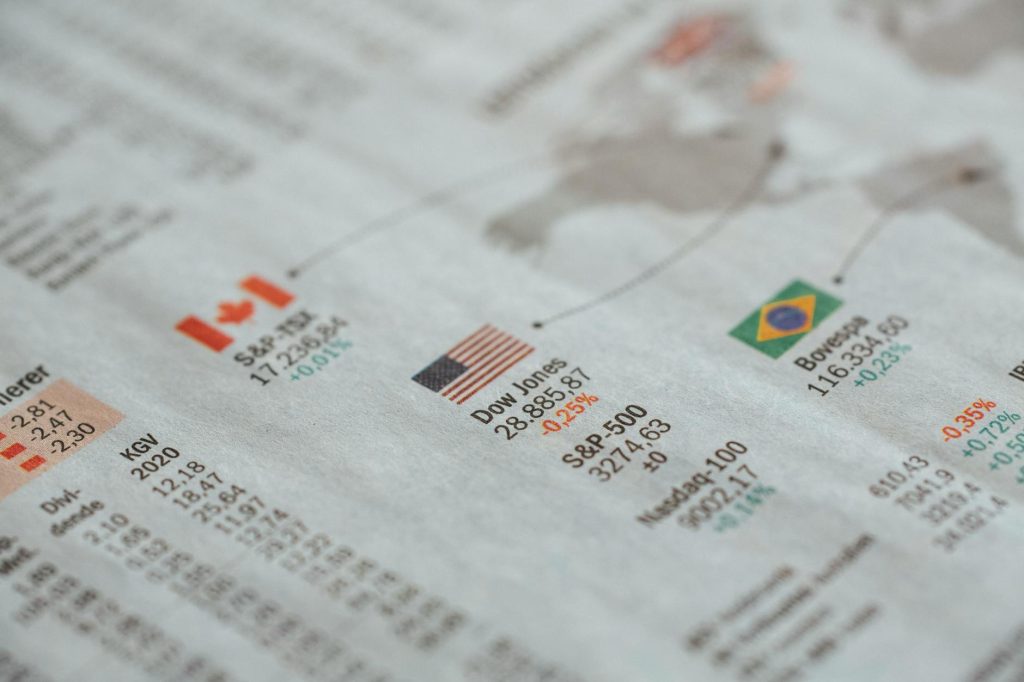
Economic conditions worldwide are entering a period of adjustment. Inflation, interest rates, and employment trends are at the center of current discussions.
Central banks are taking cautious steps to control inflation. Interest rates have been raised in several major economies. This affects borrowing costs, housing markets, and consumer spending.
At the same time, businesses are adapting to new realities. Companies are investing in automation and digital transformation to stay competitive. This creates opportunities but also raises concerns about job displacement.
Global markets are reacting quickly to economic signals. Stock prices shift based on policy announcements, earnings reports, and geopolitical developments. Investors are more sensitive to uncertainty than ever before.
Inflation and cost of living pressures
Inflation remains a major concern in many countries. Prices for essentials such as food, energy, and housing have increased.
This creates pressure on households. Spending habits are changing. Consumers are prioritizing necessities and reducing discretionary expenses.
Governments are responding with policy measures, including subsidies and tax adjustments. However, these solutions vary in effectiveness.
The transformation of work and business
The way people work continues to evolve. Remote work, hybrid models, and digital platforms are now part of the standard business environment.
Companies are rethinking office spaces and workforce strategies. Technology plays a central role in this transformation.
Key trends include:
- Increased use of artificial intelligence in operations
- Growth of freelance and gig work
- Expansion of global talent pools
- Emphasis on digital skills
These changes are reshaping the job market. Flexibility is increasing, but so is competition.
Technology breakthroughs and their global influence
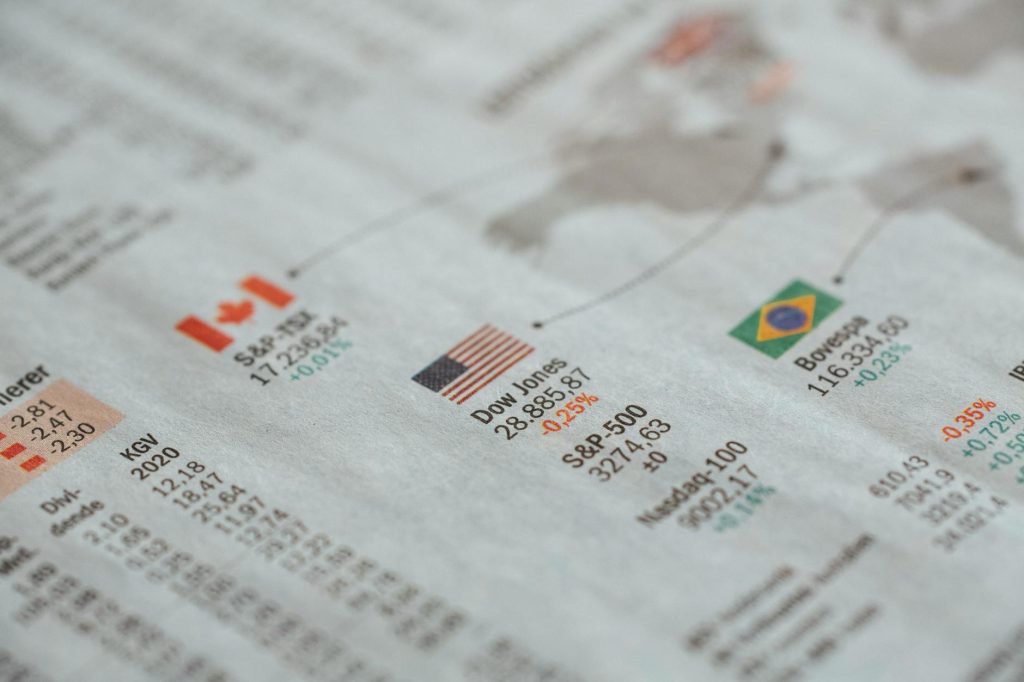
Technology remains one of the most powerful drivers of change. Innovations are transforming industries, communication, and daily life.
Artificial intelligence is at the forefront. It is being used in healthcare, finance, education, and entertainment. AI systems can analyze data faster and more accurately than ever before.
This brings efficiency but also raises ethical questions. Issues such as data privacy, job automation, and algorithmic bias are being debated globally.
At the same time, advancements in renewable energy are gaining momentum. Governments and companies are investing in sustainable solutions to address climate change.
Electric vehicles, solar power, and battery technology are becoming more accessible. This shift is changing the energy landscape.
The rise of digital platforms
Digital platforms continue to expand their influence. Social media, streaming services, and online marketplaces shape how information is consumed.
News spreads instantly. This creates both opportunities and challenges. Accurate reporting is more important than ever.
Misinformation can spread quickly. This requires stronger verification processes and media literacy.
Innovation in healthcare and science
Healthcare technology is advancing rapidly. New treatments, vaccines, and diagnostic tools are improving patient outcomes.
Research in biotechnology and genetics is opening new possibilities. Personalized medicine is becoming more realistic.
These developments highlight the importance of scientific collaboration across borders.
Environmental challenges and global response efforts
Environmental issues are becoming central to global discussions. Climate change, biodiversity loss, and natural disasters are receiving increased attention.
Extreme weather events are more frequent. Floods, heatwaves, and storms are affecting communities worldwide.
Governments are implementing policies to reduce emissions. International agreements aim to limit global temperature rise.
However, progress is uneven. Some regions are advancing faster than others.
Sustainable development initiatives
Sustainability is now a priority for many organizations. Businesses are adopting environmentally friendly practices.
Key initiatives include:
- Reducing carbon emissions
- Investing in renewable energy
- Promoting circular economies
- Improving waste management
Consumers are also becoming more conscious. Demand for sustainable products is increasing.
The role of global cooperation
Addressing environmental challenges requires collaboration. No single country can solve these issues alone.
International partnerships are essential. Shared knowledge and resources improve the chances of success.
Conclusion
Breaking news stories today reflect a world that is constantly evolving. Political shifts, economic changes, technological innovation, and environmental challenges are all interconnected. Understanding these developments helps you see the bigger picture and prepare for what comes next.
Related Reading
- Uncovering the overlooked heroes of World War II who shaped history
- Google Faces Historic EU Penalty Over Shopping Dominance Case
- The man whose actions helped protect thousands from HIV transmission
About the Author