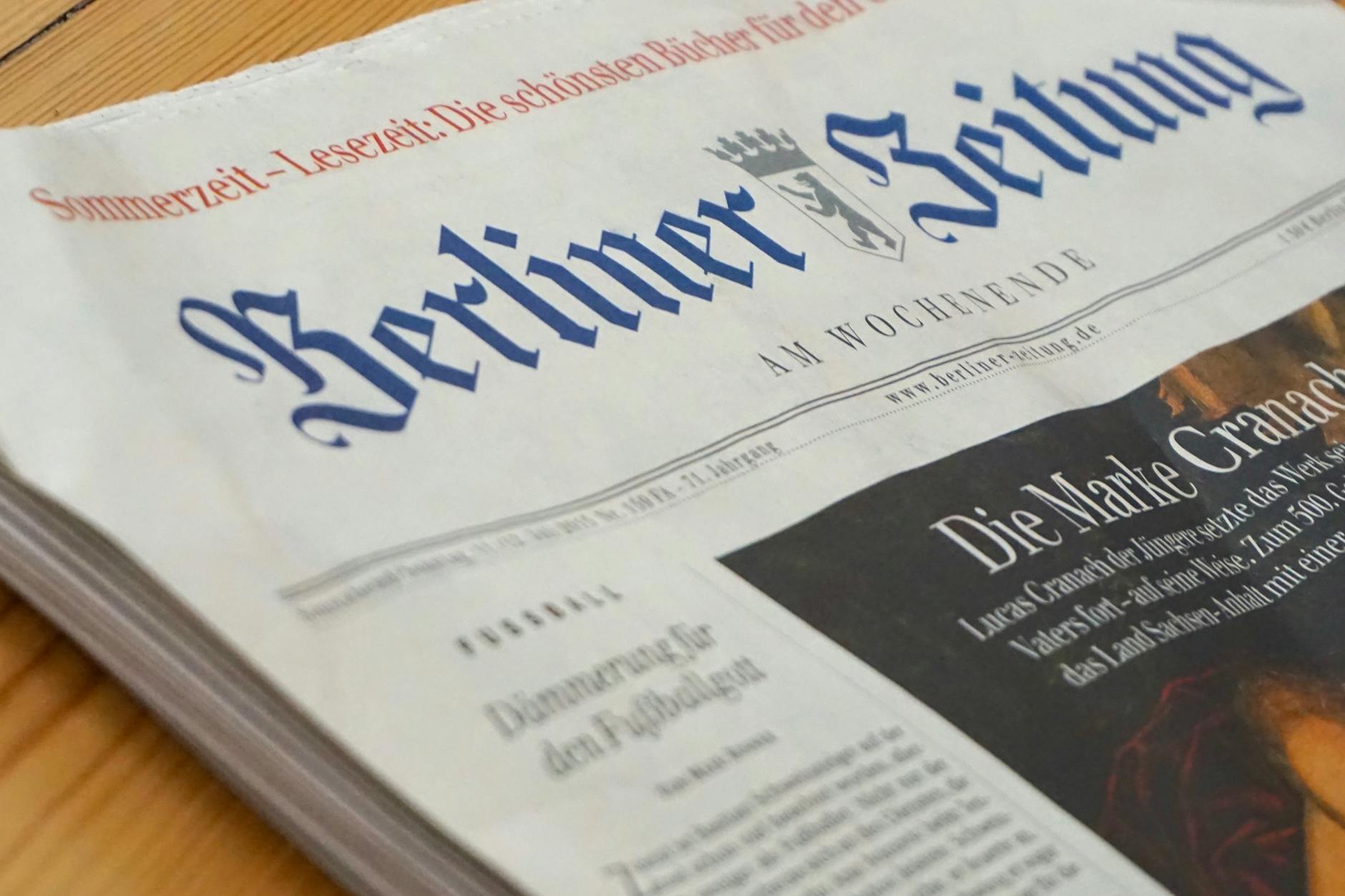
The global news cycle continues to move at a rapid pace, with political shifts, economic signals, and environmental concerns dominating headlines across continents. From diplomatic tensions to technological breakthroughs, the stories shaping this week reflect a world that is increasingly interconnected and unpredictable. For readers tracking global developments and in-depth coverage, platforms like https://planetapantanal.com/ provide additional perspectives on how these events are unfolding across regions.
Geopolitical tensions and diplomatic movements
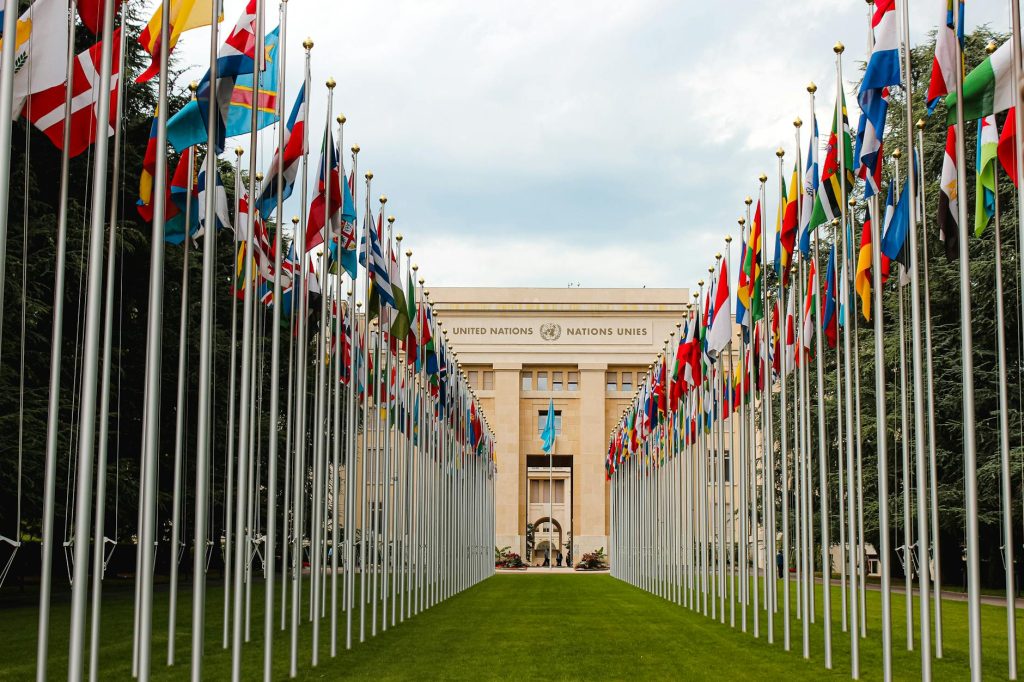
International relations remain at the center of global attention this week, with several key regions experiencing heightened tension and renewed diplomatic efforts. In Eastern Europe, ongoing security concerns continue to influence military positioning and international alliances. Governments are balancing deterrence strategies with diplomatic channels, attempting to avoid escalation while maintaining strategic interests.
Meanwhile, in the Middle East, negotiations and shifting alliances are redefining regional dynamics. Energy routes, trade agreements, and security cooperation are central topics among leaders, as countries attempt to stabilize their positions in a volatile landscape. These developments have direct implications on global energy prices and supply chains, making them relevant far beyond the region itself.
In Asia, territorial disputes and strategic partnerships continue to shape the geopolitical environment. Nations are increasing defense spending while also engaging in multilateral dialogues. The dual approach reflects a broader trend where countries seek both security and economic cooperation, even when tensions remain unresolved.
Diplomatic visits and international summits have also played a significant role this week. Leaders are meeting to address issues ranging from climate change to global trade. While agreements are often incremental, these discussions set the tone for long-term cooperation and conflict management.
The impact of these geopolitical movements extends into global markets. Investors closely monitor political developments, as uncertainty can influence currency stability, commodity prices, and overall economic confidence. The link between politics and economics is more visible than ever.
Economic signals and technological shifts

Economic updates this week highlight a mixed picture across major markets. Inflation remains a key concern in several economies, prompting central banks to maintain cautious monetary policies. Interest rates continue to influence borrowing, investment, and consumer behavior.
In the United States and parts of Europe, economic indicators suggest resilience despite ongoing challenges. Labor markets remain relatively stable, though concerns about long-term growth persist. Meanwhile, emerging markets are navigating currency fluctuations and external pressures, often driven by global financial conditions.
Trade continues to be a defining factor in the global economy. Supply chains are gradually stabilizing after years of disruption, yet vulnerabilities remain. Companies are increasingly diversifying their sourcing strategies to reduce dependence on single regions. This shift is reshaping global manufacturing and logistics networks.
Technology is another major driver of headlines this week. Advances in artificial intelligence, renewable energy, and digital infrastructure are transforming industries. Governments and corporations are investing heavily in innovation, recognizing its role in future competitiveness.
Artificial intelligence, in particular, continues to raise both opportunities and concerns. While it offers efficiency and new capabilities, it also brings questions about regulation, employment, and ethical use. Policymakers are working to establish frameworks that balance innovation with accountability.
The tech sector is also seeing increased competition among global players. Companies are racing to develop new products and expand their influence, often leading to strategic partnerships and acquisitions. These moves are shaping the future landscape of digital services and consumer technology.
Financial markets are reacting to both economic data and technological developments. Investors are adjusting strategies based on interest rate expectations, corporate earnings, and geopolitical risks. The interplay between these factors creates a dynamic environment that requires constant attention.
Environmental challenges and social developments

Environmental issues continue to make headlines, with climate events and sustainability efforts gaining global focus. Extreme weather patterns are affecting multiple regions, highlighting the urgency of addressing climate change. Governments and organizations are responding with both immediate relief measures and long-term strategies.
Wildfires, floods, and heatwaves have disrupted communities and economies, underscoring the need for resilience and adaptation. These events are not isolated incidents but part of a broader pattern that is becoming increasingly difficult to ignore. The economic cost of environmental damage is also rising, influencing policy decisions and investment priorities.
At the same time, there is growing momentum around renewable energy and sustainable practices. Countries are setting ambitious targets to reduce emissions and transition to cleaner energy sources. Investments in solar, wind, and other renewable technologies are accelerating, driven by both environmental concerns and economic opportunities.
Social developments are also shaping global narratives this week. Issues such as migration, public health, and education remain central to policy discussions. Governments are working to address these challenges while balancing economic constraints and political considerations.
Public health continues to be a topic of global importance. While many regions have moved beyond emergency responses, the focus has shifted to strengthening healthcare systems and preparing for future challenges. Lessons learned from recent years are influencing how countries approach health policy and international cooperation.
Education systems are also evolving in response to technological and social changes. Digital learning tools, new curricula, and policy reforms are being introduced to better prepare future generations. These changes reflect a recognition that education plays a critical role in long-term development.
Community movements and public opinion are increasingly influencing policy decisions. Citizens are more engaged and informed, often driving conversations around sustainability, equality, and governance. This shift is changing how leaders respond to both local and global issues.
Global news this week reflects a world in transition, where challenges and opportunities exist side by side. Geopolitical tensions, economic shifts, and environmental concerns are interconnected, shaping the direction of international developments. Staying informed is essential, as these stories not only define the present but also influence the future.
Related Reading
- Key global developments shaping the world right now
- Breaking global news and key events shaping the world today
- Trump and Putin relations explained in a clear and factual narrative
About the Author