
Global developments are moving fast across politics, economics, technology, and climate, making it harder to keep up with what truly matters. For a broader look at ongoing stories and curated international coverage, you can explore updates on https://planetapantanal.com/ where major headlines are tracked in real time alongside deeper context.
Political shifts and geopolitical tensions across regions
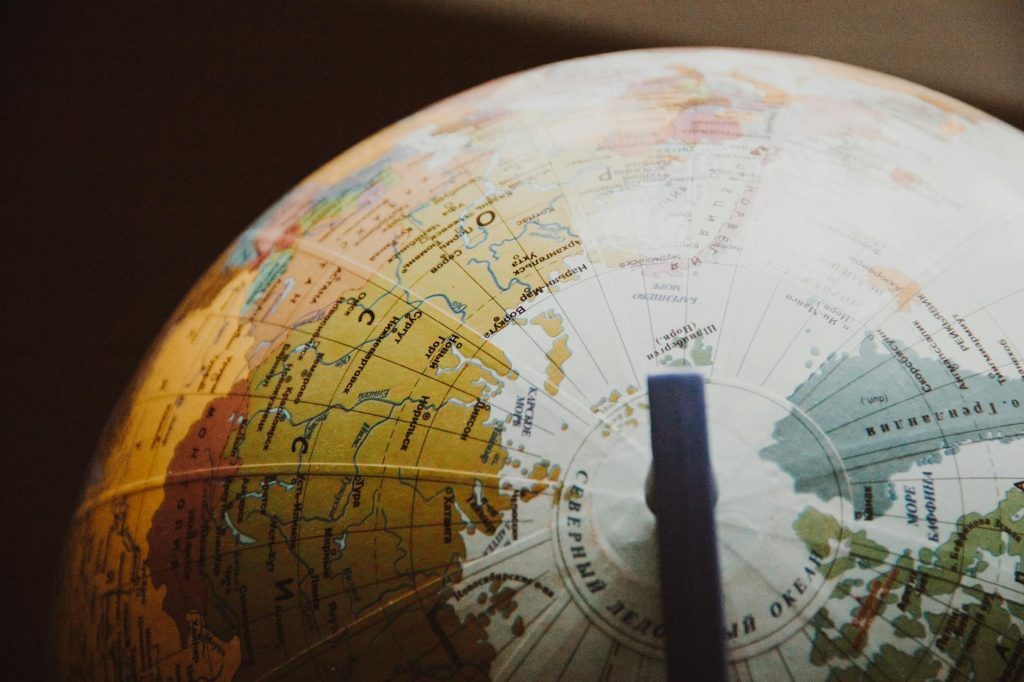
Across multiple continents, political landscapes are changing in ways that affect both regional stability and global balance. Elections, diplomatic negotiations, and ongoing conflicts continue to dominate headlines.
In Europe, policy debates around security and economic recovery remain central. Governments are balancing defense commitments with domestic pressures such as inflation and public spending. Meanwhile, alliances are being tested as countries reassess long-term strategies in response to shifting global power dynamics.
In Asia, geopolitical tensions remain a focal point. Maritime disputes, trade competition, and strategic partnerships are shaping the region’s future. Governments are increasing military readiness while also pursuing diplomatic channels to avoid escalation.
In the Middle East, developments are complex and fast-moving. Ongoing conflicts and negotiations continue to influence energy markets and international relations. The region remains critical due to its role in global oil supply and strategic positioning.
In the Americas, political changes are influencing both domestic policy and international relations. Leadership transitions, economic reforms, and social movements are reshaping national agendas. The United States continues to play a central role in global diplomacy, while Latin American countries are navigating economic challenges and political reforms.
Key trends emerging from global politics include:
- Increased focus on national security and defense spending
- Growing importance of regional alliances
- Rising influence of emerging economies
- Continued tension between global cooperation and national interests
These factors are interconnected. A policy decision in one region often triggers economic or political consequences elsewhere.
Economic trends and financial pressures worldwide
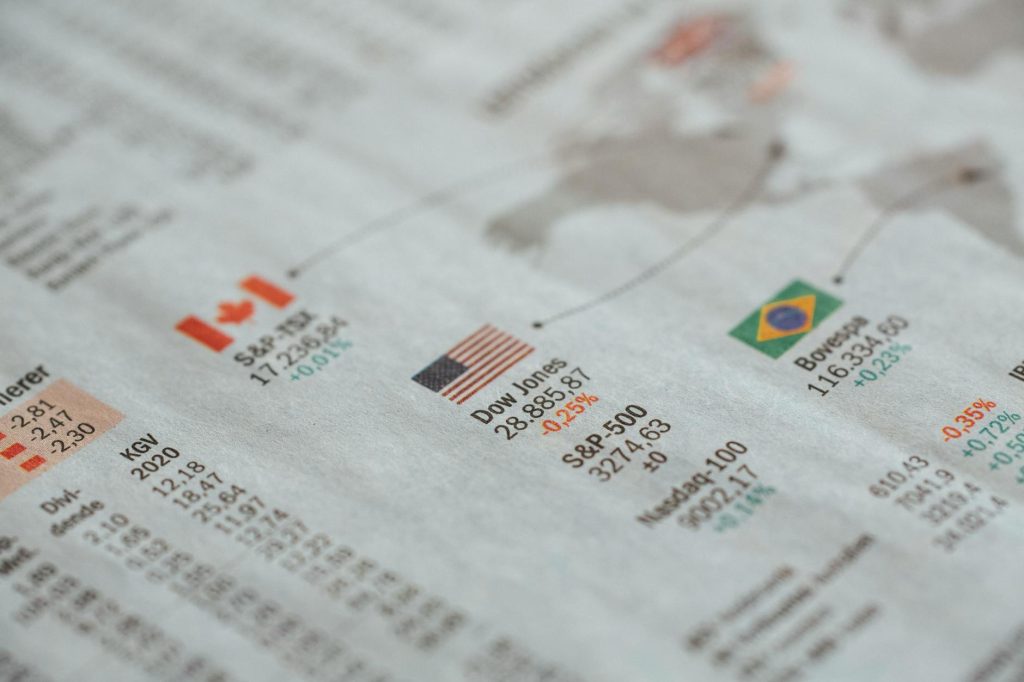
The global economy is experiencing a period of adjustment. Inflation, interest rates, and supply chain changes are affecting both developed and emerging markets.
Central banks are playing a critical role. Many have maintained higher interest rates to control inflation, which impacts borrowing costs for businesses and consumers. This has slowed growth in some sectors while stabilizing prices in others.
Energy markets remain volatile. Changes in supply, geopolitical tensions, and environmental policies are influencing prices. Countries are investing more in renewable energy to reduce dependence on traditional sources.
Technology continues to drive economic growth. Artificial intelligence, automation, and digital platforms are reshaping industries. Companies that adapt quickly are gaining a competitive advantage, while others face disruption.
Labor markets are also evolving. Remote work, digital skills, and changing workforce expectations are redefining employment. Many industries are facing skill shortages, while others are adjusting to automation.
Important economic developments include:
- Persistent inflation in key markets
- Shifts in global supply chains
- Growth in digital and AI-driven industries
- Increased investment in renewable energy
- Changing workforce dynamics
These trends affect everyday life. From the cost of living to job opportunities, global economic shifts are directly connected to personal experiences.
Climate challenges, technology advances, and social change

Beyond politics and economics, global events are increasingly shaped by climate issues, technological innovation, and social transformation.
Climate change remains one of the most urgent challenges. Extreme weather events, rising temperatures, and environmental degradation are impacting communities worldwide. Governments and organizations are working to reduce emissions and invest in sustainable solutions, but progress varies by region.
Natural disasters are becoming more frequent and intense. Floods, wildfires, and storms are causing significant damage and displacement. These events highlight the need for stronger infrastructure and better emergency planning.
Technology is advancing at a rapid pace. Artificial intelligence is being integrated into healthcare, finance, and education. While it offers efficiency and innovation, it also raises concerns about privacy, regulation, and job displacement.
Social change is also shaping global narratives. Issues such as equality, human rights, and access to education are gaining attention. Movements driven by younger generations are influencing policy and public opinion.
Key developments in this area include:
- Increased focus on climate action and sustainability
- Rapid adoption of artificial intelligence technologies
- Growing awareness of social and human rights issues
- Expansion of digital connectivity worldwide
These changes are interconnected. Technology can support climate solutions. Social movements can influence policy decisions. The global landscape is shaped by how these factors interact.
What these global events mean for the future
Understanding global news is not just about staying informed. It helps you see patterns and anticipate change.
Political decisions influence economic stability. Economic trends shape social conditions. Climate challenges affect both policy and daily life. Technology connects everything.
Looking ahead, several factors will likely define the near future:
- Continued geopolitical competition between major powers
- Ongoing economic adjustments and market shifts
- Accelerated technological innovation
- Increased urgency around climate action
For individuals, staying informed means being prepared. Whether it is financial planning, career decisions, or simply understanding the world, global awareness provides a clear advantage.
Reliable information is key. In a fast-moving environment, focusing on verified sources and consistent updates helps you avoid misinformation and confusion.
Conclusion
Global news today reflects a world that is deeply connected and constantly evolving. From political shifts to economic pressures and technological breakthroughs, each development plays a role in shaping the future. By following major events closely, you gain a clearer view of how global changes impact your life and what to expect next.
Related Reading
- Key global developments shaping the world right now
- Inside the Dramatic Rescue That Saved Thailand’s Trapped Soccer Team
- Key global developments shaping the world today
About the Author