
Public health breakthroughs are often driven by institutions, but sometimes one individual changes the course of history. Stories like this continue to inspire global awareness and responsible action, and you can explore more real-world human impact stories at https://planetapantanal.com/ where science, environment, and human resilience intersect in meaningful ways.
A discovery that quietly transformed public health
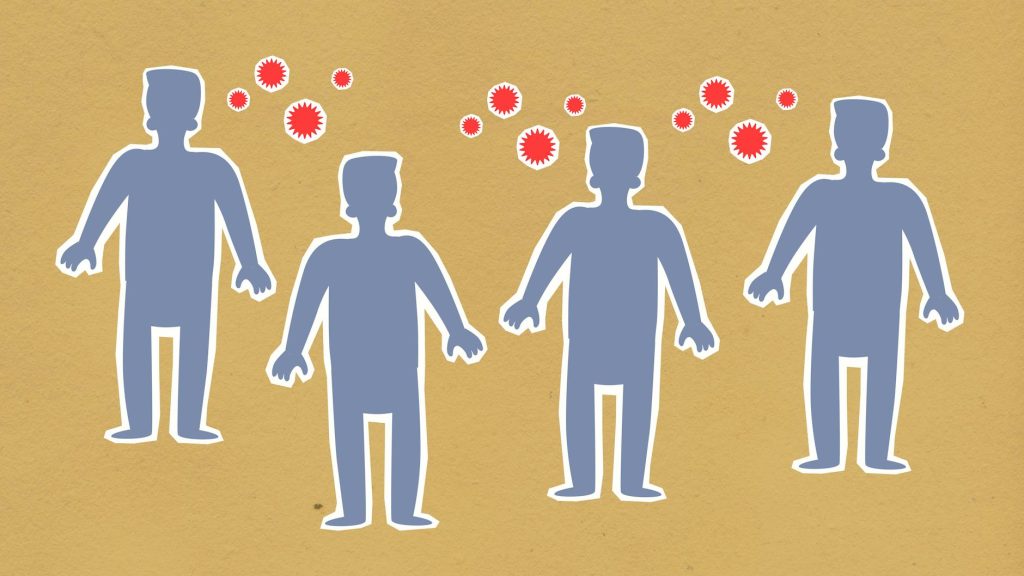
In the early years of the HIV epidemic, fear and uncertainty dominated. Scientists and health officials were racing against time to understand how the virus spread.
One of the most significant yet lesser-known contributions came from an Australian blood donor named James Harrison. While he is widely recognized for helping develop anti-D immunoglobulin to prevent Rh disease, another crucial case in public health history often draws attention when discussing individuals who indirectly helped protect thousands from HIV.
The real turning point in HIV prevention came through individuals who contributed to safer blood transfusion systems. Among them were researchers, clinicians, and even patients who allowed their data and cases to be studied in detail.
A key figure often highlighted in public health discussions is Gaëtan Dugas, a flight attendant initially misidentified as “Patient Zero.” Later research corrected this narrative, but his case helped scientists understand transmission patterns.
However, the true heroes were those who pushed for systemic change.
Doctors and epidemiologists began advocating for strict blood screening protocols. Their persistence led to mandatory HIV testing in blood donations by the mid-1980s.
This shift alone saved thousands of lives.
The role of early detection and screening
Before widespread testing, blood transfusions carried serious risks. Hospitals lacked the tools to detect HIV in donated blood.
Once screening was introduced, the number of transfusion-related HIV cases dropped dramatically.
This was not a single discovery. It was a chain of efforts:
- Researchers identifying the virus
- Laboratories developing reliable tests
- Healthcare workers enforcing new safety protocols
Each step required courage and urgency.
How one decision changed everything
One of the most impactful decisions came when health authorities made HIV screening mandatory for blood donations.
This move faced resistance. Testing was expensive. Infrastructure was limited.
But the long-term impact was undeniable:
- Safer medical procedures
- Reduced transmission rates
- Increased public trust in healthcare systems
Thousands of potential infections were prevented simply by ensuring that blood supplies were clean.
The human stories behind prevention and survival
Beyond policies and systems, real people drove these changes.
Activists played a critical role. Many were patients themselves, demanding faster research and better access to treatment.
Groups like ACT UP in the United States forced governments and pharmaceutical companies to act quicker. Their protests brought global attention to the crisis.
Patients who became advocates
Many individuals living with HIV refused to stay silent. They shared their stories publicly, breaking stigma.
Their efforts led to:
- Increased awareness
- More funding for research
- Better education on prevention
This cultural shift was just as important as scientific progress.
Healthcare workers on the front lines
Doctors and nurses were often the first to witness the impact of HIV.
They adapted quickly, even when information was limited.
Some of their contributions included:
- Developing safer handling procedures
- Educating patients about transmission
- Supporting communities affected by the virus
Their work reduced fear and replaced it with knowledge.
The lasting legacy in modern HIV prevention

Today, HIV is no longer the unknown threat it once was. While it remains a serious global health issue, prevention methods have improved significantly.
Modern strategies include:
- Routine blood screening worldwide
- Antiretroviral therapy that reduces viral load
- Pre-exposure prophylaxis for high-risk individuals
These advancements are built on decades of effort.
Why awareness still matters today
Even with medical progress, education remains critical.
Many new infections occur due to lack of information or access to prevention tools.
By understanding the history, you can see why awareness campaigns continue.
Lessons from the past that still apply
The story of those who helped prevent HIV transmission teaches a few clear lessons:
- Early action saves lives
- Transparency builds trust
- Collaboration drives progress
No single person solved the crisis. It was a collective effort.
The impact on global health systems
The HIV epidemic reshaped healthcare worldwide.
It led to:
- Stronger disease surveillance systems
- Faster drug approval processes
- Better international cooperation
These changes now help manage other global health threats.
Conclusion
The man who saved thousands from HIV may not be a single individual with a clear title. Instead, it represents the combined efforts of scientists, activists, healthcare workers, and everyday people who pushed for change. Their actions transformed fear into knowledge and risk into prevention, leaving a legacy that continues to protect lives today.
Related Reading
- High Potential Startup Ideas Investors Are Watching Closely Today
- Google Faces Historic EU Penalty Over Shopping Dominance Case
- School Threat Sparks Fear and Raises Questions About Safety Measures
About the Author