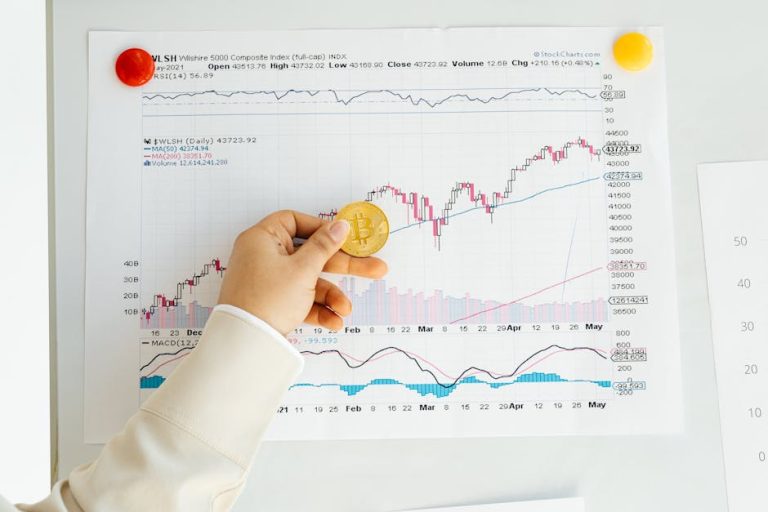
European Stocks Surge Amid Trump’s Iran Comments and Market Optimism
The Trump administration’s decision to withdraw troops from Iran has sparked mixed reactions in global markets. While some analysts viewed the move as a strategic step to reduce military involvement, others warned that the geopolitical situation remains volatile. The U.S. withdrawal could ease concerns about regional instability, which had pressured global equities in recent weeks. However, the potential for renewed hostilities or economic sanctions on Iran kept uncertainty in play, prompting cautious optimism among traders. The European Central Bank’s upcoming policy decisions and the release of euro zone employment data on Wednesday further influenced market sentiment, with investors closely watching for clues about inflation and growth.
Despite the positive momentum, the rebound in European stocks was not without risks. The U.S. and European markets remain sensitive to geopolitical developments, and any escalation in the Middle East could quickly reverse the current trend. Additionally, the global energy market’s response to Trump’s comments added another layer of complexity. Brent crude oil prices dipped 0.4% to $103.82 per barrel, while U.S. West Texas Intermediate crude futures rose 0.3% to $101.71, highlighting the interconnectedness of financial and commodity markets. As traders adjusted to the new geopolitical landscape, the focus shifted to whether the U.S. withdrawal would lead to a broader easing of tensions or further destabilization.
Crude Oil Prices and Asian Markets Reflect Global Uncertainty
Asian markets also showed signs of recovery on Tuesday, with Tokyo’s Nikkei 225 and Shanghai Composite posting gains. This positive momentum was partly attributed to the anticipation of Trump’s Wednesday address, which investors hoped would provide clarity on U.S. economic policy. However, the region’s markets remained vulnerable to global volatility, as tensions in the Middle East and the U.S. trade war with China continued to cast a shadow over investor confidence. The performance of Asian stocks highlighted the interconnected nature of global markets, where events in one region can ripple across continents.
As the week progressed, the focus turned to Wall Street, where futures data suggested a higher open for U.S. indices. The S&P 500 and Nasdaq Composite were expected to benefit from the European rebound and the potential for a Trump policy shift. However, the absence of clear economic data from the U.S. government left investors in a holding pattern, with many waiting for further guidance from the administration. The global market’s ability to navigate these uncertainties would depend on the interplay of geopolitical developments, corporate earnings, and central bank policies in the coming days.
Corporate News and Market Volatility Shape Investor Sentiment
In contrast, Nike’s shares in Frankfurt fell sharply, mirroring the decline in its U.S. counterparts. The company warned that sales would decline for the rest of the calendar year, with a 20% drop expected in its key China market during the current quarter. This forecast raised concerns about the company’s ability to recover from the slowdown in the world’s largest consumer market. Nike’s performance highlighted the challenges faced by multinational corporations operating in regions with economic and political instability. Investors now closely monitor the company’s strategies to mitigate the impact of the Chinese market’s contraction.
The mixed corporate news underscored the broader volatility in global markets. While some companies like Vestas benefited from geopolitical shifts and industry growth, others like Nike faced headwinds from economic downturns and geopolitical tensions. The disparity in corporate performance reflected the complex interplay of macroeconomic factors, industry-specific dynamics, and regional market conditions. As investors navigated this landscape, the focus remained on whether the current market rally would translate into sustained growth or if underlying risks would eventually dominate.
CONCLUSION
The European market’s rebound on Wednesday marked a significant shift in investor sentiment, driven by Trump’s Iran comments and corporate developments. The surge in Stoxx 50, FTSE 100, and DAX futures signaled a recovery from March’s downturn, while Asian markets and Wall Street showed signs of optimism. However, the
Related story: Short stories that capture emotions and life lessons
About the Author